

What is “Slow Travel”?
The term slow travel emerged as an extension of the slow food movement in Italy, which encouraged a return to the essentials, the unhurried enjoyment of life, and a focus on quality over quantity. Applied to tourism, slow travel invites us to travel without haste, with a more mindful attitude, and to connect deeply with the surroundings, the culture, and the people.
Core Principles of the Slow Movement
Slow travel promotes full immersion in the destination, respect for the environment, valuing time as a resource, and enjoying the journey—not just the destination. It’s a philosophy that favours peaceful accommodations, longer stays, walking routes, local cuisine, and authentic experiences over fast-paced tourism.
How Slow Travel Differs from Traditional Tourism
While traditional tourism often focuses on seeing as many places as possible in a short time, slow travel encourages seeing fewer places — but in greater depth. It means less logistical stress, more human connection, less reliance on rigid itineraries, and a greater openness to the unexpected.
4 Benefits of “Slow Travel” for the Modern Traveller
1. Reduced Stress and Travel Fatigue
Travelling slowly helps counter the fast pace of everyday life. It allows for physical and mental rest, reduces the fatigue caused by constant transfers, and promotes a sense of well-being during and after the trip.
2. Deeper Connection with the Destination
Staying longer in one place allows travellers to form deeper bonds with their surroundings. They get to know the local culture, build relationships with residents, and understand the real rhythm of the place they’re visiting.
3. More Authentic and Memorable Experiences
Slow travel opens the door to discovering local markets, hidden alleyways, peaceful landscapes, and small details that often go unnoticed. These experiences are more personal and meaningful, creating lasting memories.
4. Sustainability and Respect for the Environment
This philosophy encourages responsible practices such as using public transport, supporting local businesses, and choosing accommodations committed to sustainability. All of this helps reduce the ecological footprint of travel.
Benidorm Beyond Mass Tourism
Rediscovering Calm on the Costa Blanca
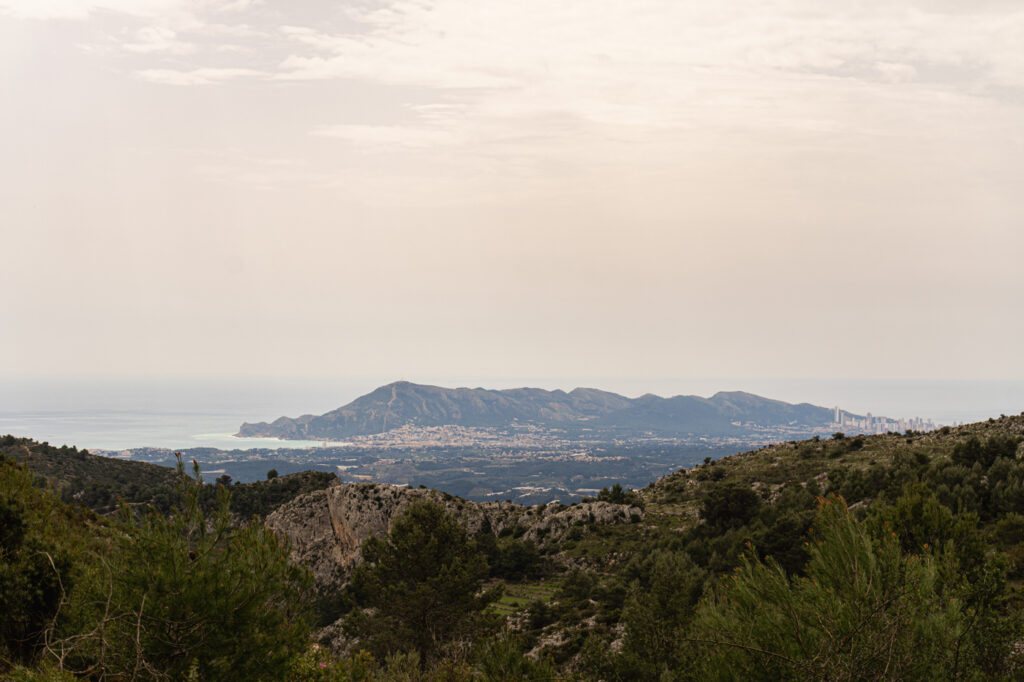
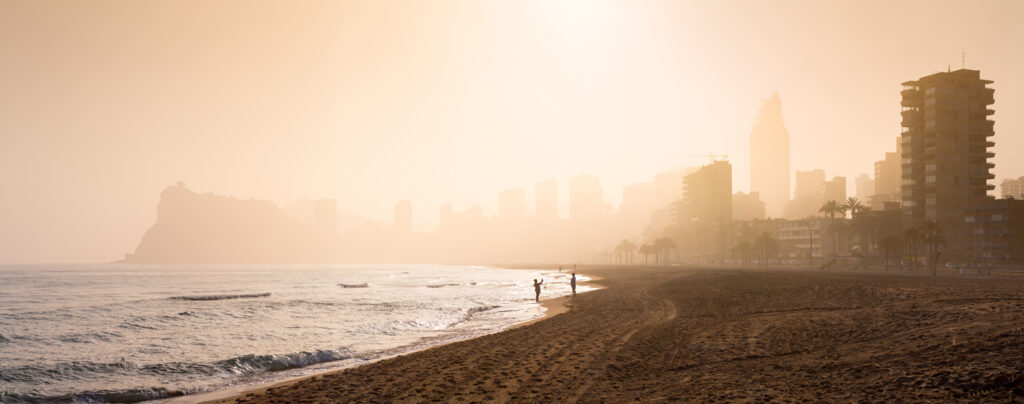
Though often associated with vibrant tourism and high-rise buildings, Benidorm also has a quieter side—perfect for slow travel. Sunrise beaches, sunset strolls, and hidden coves invite visitors to reconnect with nature.
Scenic Routes and Peaceful Corners
From the Parque Natural de Serra Gelada to trails through the old town or pine forests and cliffs, Benidorm offers much to those seeking tranquillity. The views from the Castle Viewpoint, for example, are a true gift for the senses.
Local Gastronomy and Mediterranean Culture
Tasting a creamy rice dish, enjoying tapas in a traditional bar, or chatting with locals at a market are simple slow actions that allow travellers to savour the essence of the Mediterranean. Proximity-based cuisine is a vital part of conscious travel.
Hotel Don Pancho and the Spirit of Slow Travel
Hotel Don Pancho, recommended for adults, is designed for those seeking tranquillity. Its relaxed atmosphere, attention to detail, and philosophy of hospitality align perfectly with the slow traveller’s mindset.
Heated pool, massages, a terrace with views, restful nights, or simply reading a book under the sun—Hotel Don Pancho creates spaces where guests feel free to follow their own rhythm, without pressure or unnecessary noise.
Located just steps from Levante Beach and close to pedestrian areas, it allows for exploration without the need for a car. Strolling, discovering local boutiques, or enjoying a coffee while watching life go by is part of the charm of the surroundings.
How to Embrace Slow Travel at Hotel Don Pancho
Rooms and Spaces Designed for Peace
Elegant décor, soundproofing, open sea views, and attention to every detail make rest a central part of the experience. Each space is thoughtfully designed to encourage serenity.
Personalised Service and Stress-Free Rhythms
From check-in to a leisurely breakfast, everything at Don Pancho is designed so guests never feel rushed. Service adapts to each guest’s pace, creating a tailor-made experience.
Tips for Practising Slow Travel in Benidorm
Visit Outside Peak Season
Enjoying Benidorm in spring, autumn, or even winter reveals a quieter, more accessible city with a unique light. The mild climate year-round makes it ideal for stress-free travel.
Prioritise Experiences Over Itineraries
Instead of endless lists of places to visit, slow travel encourages savouring each moment: a walk along the promenade, a conversation in a café, or a shared sunset.
Choose Accommodations That Promote Rest
Selecting places that understand the value of rest—like Hotel Don Pancho—is key to embracing this philosophy. Calm, quality, and connection with the surroundings should be at the heart of the experience.
Travelling Slowly Means Travelling Better
Slow travel is more than a trend—it’s a way to rediscover the world, to value each moment, and to travel with purpose. Benidorm, with its serene side, and Hotel Don Pancho, with its commitment to well-being, form the perfect combination for those seeking quality, calm, and connection.
FAQs about Slow Travel and Benidorm
Can slow travel be practised in popular tourist destinations?
Yes. Even in cities known for mass tourism—like Benidorm—there are spaces, moments, and experiences that align perfectly with the slow travel philosophy.
Why is Hotel Don Pancho ideal for slow travel?
Because it’s designed for rest, personalised attention, and a conscious connection with the surroundings. It’s a place where travellers can reconnect with themselves—without rushing.
What slow activities can you enjoy in Benidorm?
Beach walks, visits to the natural park, cultural routes through the old town, tasting local products, and moments of relaxation on scenic terraces.
Is slow travel only for older travellers?
Not at all. It’s a philosophy for all ages. Young people, couples, and seniors alike can benefit from travelling calmly and mindfully. And more and more people are embracing this way of travel.
What’s the difference between slow travel and rural tourism?
Slow travel isn’t limited to rural settings. It can be practised in cities, on the coast, or in any destination—as long as the approach is rooted in connection, calm, and respect for the place.


